
The growing emphasis on environmental responsibility has pushed communities, businesses, and local governments to rethink how they handle waste. As cities expand and consumption rises, efficient disposal systems become essential for maintaining public health and environmental sustainability.
In this context, understanding the connection between solid waste management and dumpster rentals is more important than ever. Both elements work together to create a practical, organized, and accessible waste-handling process. When combined with modern sustainability practices, solid waste management and dumpster rentals contribute to cleaner neighborhoods, smoother operations, and reduced environmental impact.
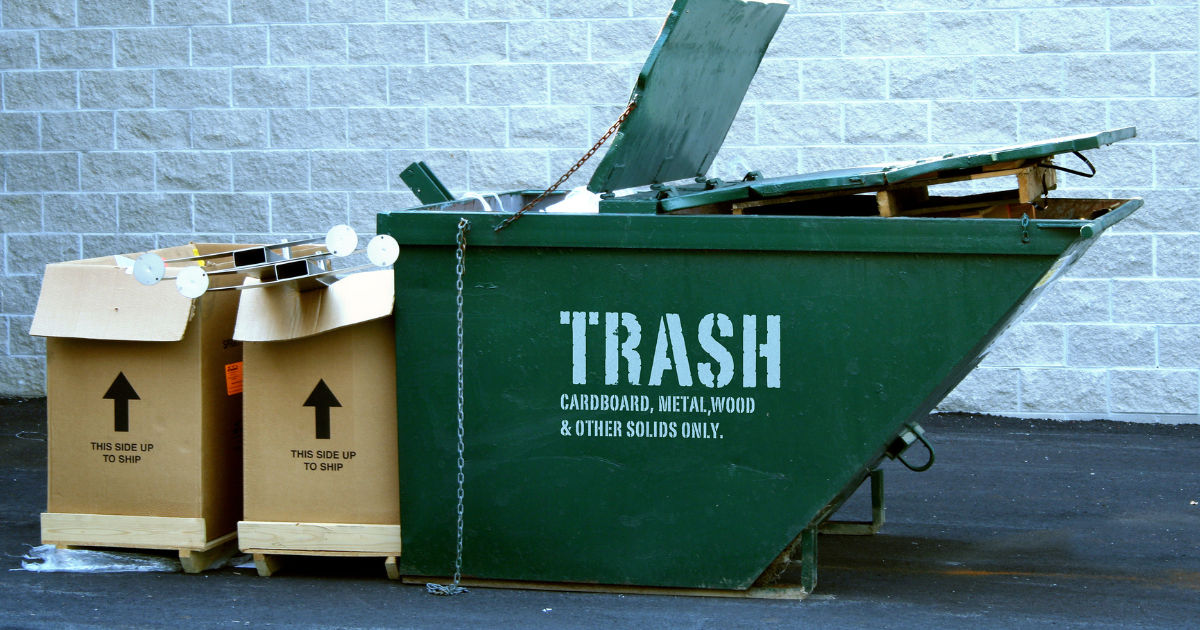
This guide explains the important role dumpster rentals play in the bigger system of waste collection, disposal, and recycling. It is written in simple language for a general audience and explores the entire journey of waste—from generation to final disposal—while highlighting how solid waste management and dumpster rentals operate side by side.
Modern Waste Challenges
Growing Urban Populations
As population density increases, cities generate more waste per person. This includes household garbage, construction debris, industrial materials, and commercial refuse. With higher volumes comes a more demanding need for structured waste systems, making solid waste management and dumpster rentals highly relevant.
Rise of Construction and Renovation Projects
Construction waste is one of the largest contributors to landfill volume. Whether building homes, renovating offices, or upgrading public infrastructure, these projects require consistent waste removal. Dumpster rentals offer a direct solution by providing a designated space for onsite disposal.
Consumer Lifestyles and Disposal Patterns
From packaged foods to fast fashion, modern lifestyles create more waste than previous generations. Without a planned strategy, neighborhoods quickly become cluttered. This emphasizes why solid waste management and dumpster rentals remain key tools in community cleanliness and order.
What Is Solid Waste Management?
Solid waste management is the process of collecting, transporting, processing, recycling, and disposing of waste materials in a safe and environmentally friendly manner. Its purpose is to reduce pollution, save resources, and protect community health.
Key Stages:
-
Waste generation – Household, commercial, and industrial waste.
-
Collection – Municipal services, private haulers, and onsite containers.
-
Sorting and processing – Separating recyclables, compostables, and hazardous items.
-
Transportation – Trucks and hauling services move waste to facilities.
-
Recycling and recovery – Materials are reused instead of discarded.
-
Final disposal – Landfills or waste-to-energy plants.
In the middle of these stages, dumpster rentals provide an efficient way to gather and transport waste in bulk. This is why solid waste management and dumpster rentals often go hand in hand to maintain flow, safety, and order.
What Are Dumpster Rentals?
A dumpster rental provides temporary access to a large waste container designed for easy filling and removal. Businesses, homeowners, contractors, and event organizers use them when they expect more waste than normal household bins can handle.
Common Dumpster Types:
-
Roll-off dumpsters – Ideal for construction and large cleanouts.
-
Front-load dumpsters – Used by businesses for ongoing waste.
-
Residential dumpsters – Smaller sizes for home projects.
-
Specialty dumpsters – For yard waste, roofing shingles, or recyclables.
Renting a dumpster offers flexibility, convenience, and compliance with local waste regulations. This is why professionals often describe solid waste management and dumpster rentals as complementary tools for responsible disposal.
How Dumpster Rentals Fit Into the Waste Management System
Dumpster rentals are not just containers—they are structured parts of the waste handling cycle. Below are the main ways they support solid waste management and dumpster rentals practices at the community level.
1. Streamlined Waste Collection
Waste collection becomes efficient when large volumes can be stored safely and neatly. Dumpsters prevent random piles of garbage, wind scattering, and animal disturbance. In neighborhoods, construction sites, and commercial settings, solid waste management and dumpster rentals enable faster and safer accumulation of debris.
2. Improved Safety on Construction Sites
Loose debris is a major hazard. Nails, broken glass, metal pieces, and sharp edges can cause injuries. Dumpsters serve as central drop-off points, making the work area safer. Construction companies regularly rely on solid waste management and dumpster rentals to maintain compliance with safety standards.
3. Organized Disposal for Home Renovations
Home improvement projects—even small ones—generate an unexpected amount of waste. Old cabinets, flooring, drywall, and fixtures pile up quickly. Homeowners turn to dumpster rentals for convenience and efficiency. For this reason, local recycling and trash facilities often recommend solid waste management and dumpster rentals as part of their disposal guidelines.
4. Reduced Illegal Dumping
Illegal dumping strains public resources and harms the environment. When dumpster rentals are accessible and affordable, communities notice a decrease in roadside or vacant-lot dumping. Municipal departments often highlight solid waste management and dumpster rentals when designing legal disposal campaigns.
5. Easier Transportation for Large Volumes
A key challenge in waste management is transporting debris from households or businesses to landfills. Dumpsters simplify the process by allowing haulers to pick up full containers and replace them with empty ones. This predictable system ensures solid waste management and dumpster rentals maintain a smooth operational cycle.
Supporting Environmental Goals
Recycling and Material Recovery
Many dumpster rentals offer separate containers for recyclables. This supports cleaner separation at the source, increasing recycling rates. This synergy between solid waste management and dumpster rentals reduces landfill pressure and conserves natural resources.
Lower Carbon Footprint
By consolidating waste at a single site, fewer trips are needed to transport trash. This reduces fuel use and emissions. Many communities adopt solid waste management and dumpster rentals strategies to meet sustainability goals.
Preventing Water and Soil Contamination
Dumpsters prevent trash from entering waterways or soil systems. Contamination from leaked chemicals, plastics, or debris decreases when waste is managed inside sealed or reinforced containers. This is another reason solid waste management and dumpster rentals work well together in environmentally sensitive regions.
Who Benefits from Dumpster Rentals?
Homeowners
Spring cleaning, landscaping, or moving out of a house often produces more waste than expected. Homeowners appreciate how solid waste management and dumpster rentals simplify the cleanup.
Construction Companies
These companies rely heavily on dumpster rentals because waste is generated daily. Without them, job sites become unsafe and inefficient.
Commercial Businesses
From offices to restaurants, businesses generate routine waste that must be removed consistently. Many firms incorporate solid waste management and dumpster rentals into their operational budgets.
Event Organizers
Large public events require temporary waste solutions. Dumpsters help maintain cleanliness and organization throughout the event.
Municipalities
Local governments often partner with dumpster rental services to support citywide cleanups, disaster recovery efforts, and community projects.
Choosing the Right Dumpster
Selecting the right dumpster for your project is a key part of effective disposal. When people understand their needs, solid waste management and dumpster rentals become easier and more efficient.
Consider the Following:
-
Size – Common sizes range from 10-yard small dumpsters to 40-yard large containers.
-
Waste Type – General debris, concrete, yard waste, and recyclables each have designated dumpster types.
-
Project Duration – Rentals are usually flexible and can be extended.
-
Local Regulations – Some items like chemicals, tires, and batteries require special handling.
-
Placement Location – Driveways, construction sites, and commercial lots need proper spacing.
Choosing correctly reduces costs, prevents overflows, and simplifies the workflow. This makes solid waste management and dumpster rentals compatible for both small and large projects.
Challenges in Dumpster Rental and Waste Management
Even though dumpsters are essential, a few challenges require attention:
Space Limitations
Urban areas sometimes lack enough open space to place large containers. This is why planning is crucial when applying solid waste management and dumpster rentals strategies.
Contamination of Waste
When recyclables, hazardous items, or organic materials mix, it becomes harder to process them. Better public education can improve how solid waste management and dumpster rentals operate.
Illegal Items in Dumpsters
People sometimes throw prohibited materials such as chemicals or electronics into dumpsters. Rental companies must enforce rules to protect facilities and workers.
Overflow and Misuse
If dumpsters fill faster than expected, waste spills occur. Scheduling timely pickups helps maintain order and keeps the solid waste management and dumpster rentals system efficient.
Best Practices for Using Dumpster Rentals
To make the most out of dumpster rentals, follow these practical guidelines:
Plan Ahead
Estimate the amount and type of waste before renting. This ensures the right size dumpster is delivered.
Avoid Hazardous Waste
Flammables, chemicals, batteries, and toxic substances must be disposed through specialized services, not general dumpsters.
Do Not Overfill
Overfilled dumpsters are dangerous and illegal. Maintaining proper load levels supports solid waste management and dumpster rentals goals.
Separate Recyclables
If possible, keep recyclables separate from general debris. Many rental companies offer dedicated containers.
Follow Local Regulations
Cities have specific rules about driveway placement, street permits, and acceptable materials. Compliance ensures smooth operations.
Dumpster Rentals as Part of the Circular Economy
In modern society, sustainability requires more than basic disposal. Today’s environmental strategies aim to reuse, recycle, and repurpose as much as possible. Dumpster rentals support these circular economy goals by:
-
Providing organized collection points
-
Encouraging sorting of materials
-
Reducing contamination of recyclables
-
Supporting waste-to-energy programs
-
Helping communities divert materials from landfills
This shows how solid waste management and dumpster rentals strengthen long-term sustainability systems for future generations.
Conclusion
Dumpster rentals are far more than temporary containers; they are important components of modern waste systems. As communities generate increasing volumes of debris, the connection between solid waste management and dumpster rentals becomes essential. These two elements work together to create a cleaner, safer, and more efficient environment. From construction sites to residential neighborhoods, dumpster rentals offer structure, organization, and convenience. They reduce illegal dumping, enhance recycling efforts, simplify transportation, and support environmental goals.
In the broader ecosystem of waste management, dumpster rentals provide an accessible solution for individuals, businesses, and government bodies. When used responsibly—through proper sizing, sorting, and disposal—they help protect natural resources and maintain community health. With rising demands on public services and increasing global waste levels, embracing solid waste management and dumpster rentals is a practical step toward a sustainable future.